
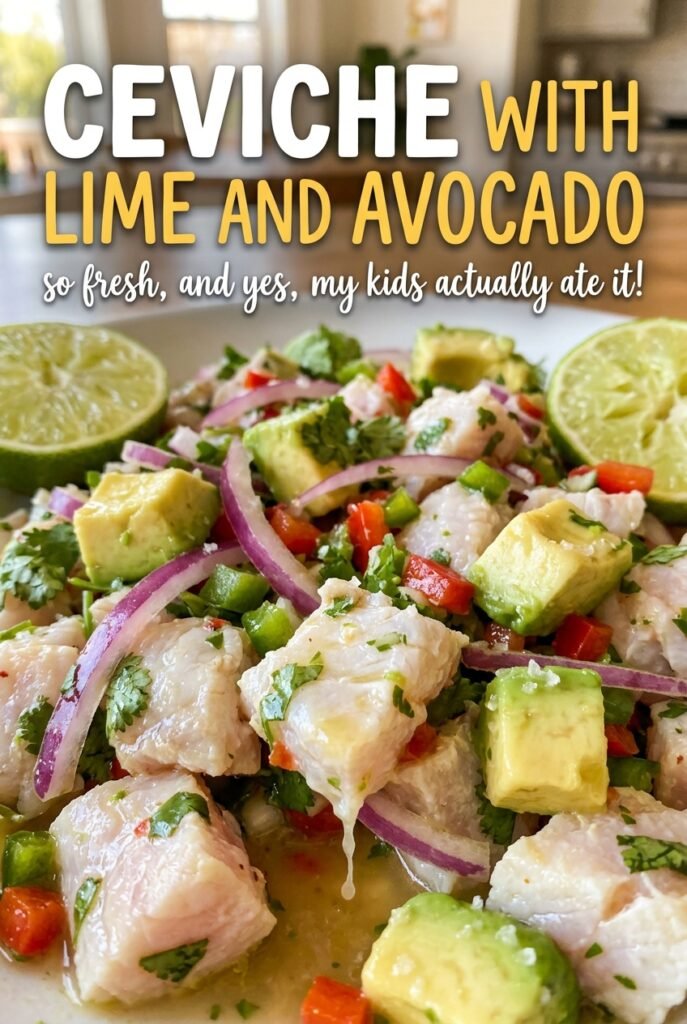
Ceviche with Lime and Avocado
The lime juice clouds against the fish first, and then the cubes begin to turn opaque around the edges. That change looks a little like cooking, but it’s really the…
Tip: save now, read later.
The lime juice clouds against the fish first, and then the cubes begin to turn opaque around the edges. That change looks a little like cooking, but it’s really the citrus changing the fish’s texture. I watch for that outer layer to firm up while the centers still feel tender; waiting for every cube to look completely changed can leave the fish tight and overly tart.
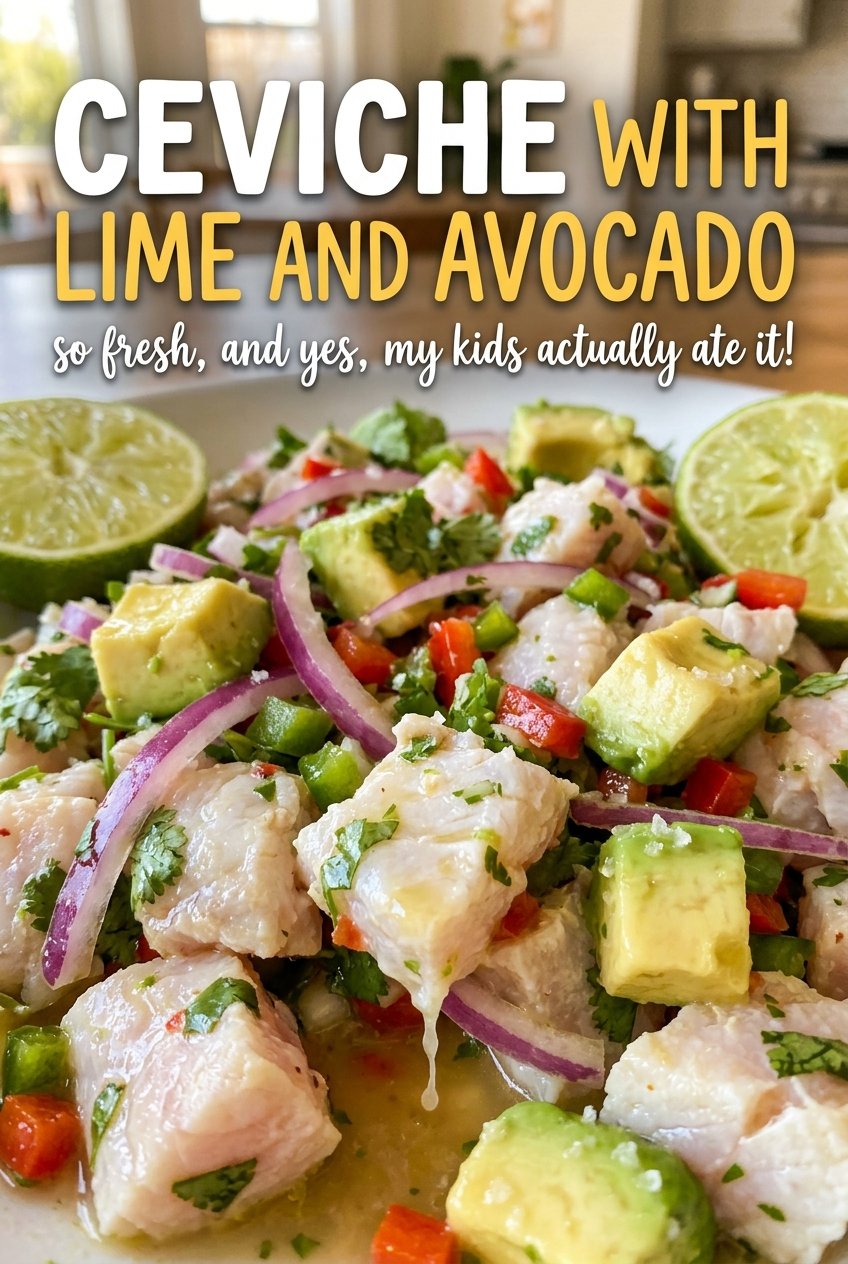
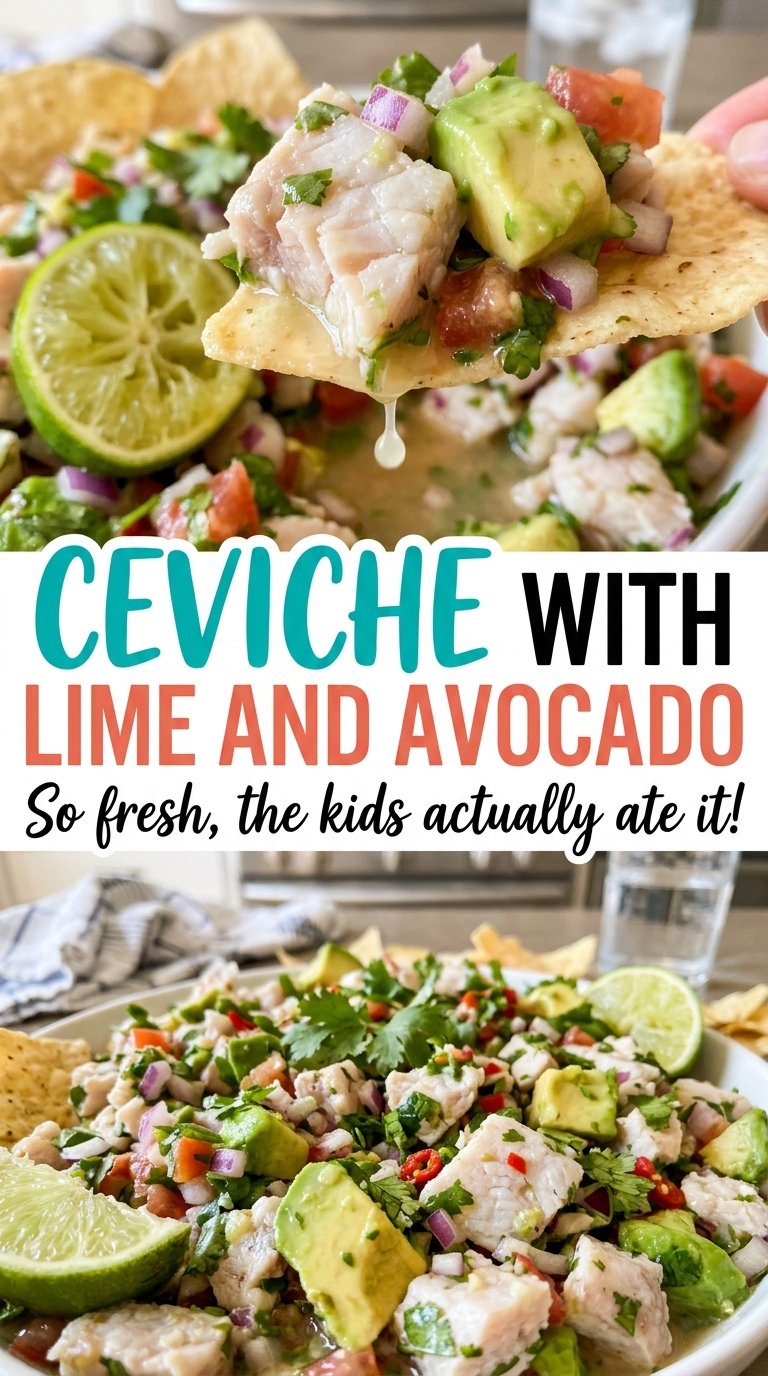
For this ceviche with lime and avocado, I keep the fish in evenly cut cubes and give it one stir while it rests in the lime juice. After draining off most of the juice, the red onion, jalapeño, and cilantro go in, with the avocado folded through last so it stays in distinct pieces. The result is bright and cool, with enough creaminess from the avocado to balance the sharp lime and a little jalapeño warmth in each bite.
Kitchen Note
Use a glass or ceramic bowl for the lime-and-fish mixture. I reach for one before I start cutting because citrus is acidic, and this is exactly the sort of prep where the right bowl keeps things simple.
Save this ceviche with lime and avocado for a bright, chilled dish with tender fish and creamy avocado folded in at the end.
Why the Fish Turns Opaque Without Becoming Cooked
Lime juice changes the proteins in fish, which is why the surface turns opaque and the pieces firm up. That texture change is useful to watch, but it isn’t the same as cooking with heat. Lime juice does not reliably kill harmful germs or parasites, so this dish needs fish commercially frozen for raw preparations. People at higher risk from foodborne illness should avoid raw seafood.
That distinction also explains why the texture matters so much. The fish should look opaque on the outside and feel a little firmer after its time in the lime, not dry and chalky all the way through. The citrus gives ceviche its distinctive fresh, tangy bite, but it can’t make an unsuitable piece of fish safe. Start with the right fish, keep it cold, and treat the visual change as a doneness cue for texture—not a food-safety test.
Choose Fish and Citrus That Keep the Flavor Clean
- Firm white fish — A mild, firm fish gives the lime a clean canvas and holds its shape in small cubes. Choose fish sold for raw preparations and thaw it in the refrigerator; softer fish can break apart when you stir it. Another firm white fish that meets that same standard works in place of your usual choice.
- Fresh lime juice — Freshly squeezed juice brings a sharper, more fragrant citrus taste than bottled juice, and it’s the backbone of the marinade. Fresh lemon juice can stand in at the same volume, though the finished ceviche will taste less like classic lime ceviche.
- Red onion — Its crisp bite cuts through the rich avocado. Slice it thinly so it disperses rather than leaving thick, sharp chunks; a thinly sliced shallot is a milder stand-in.
- Jalapeño and cilantro — The seeded jalapeño gives a gentle, fresh heat, while cilantro brings an unmistakable citrusy herbal note. A finely chopped serrano makes the heat sharper; flat-leaf parsley can replace cilantro, but the result will taste less distinctively herbal.
- Ripe avocado — Choose one that yields slightly when pressed but isn’t mushy, so the cubes hold together when folded in. There isn’t a close substitute for its creamy contrast; leaving it out makes the ceviche leaner and more sharply citrusy.
Marinate for Texture, Then Add the Delicate Ingredients
Cut Even Cubes and Start the Lime Cure
Cut the thawed fish into 1/2-inch cubes so the pieces change at a similar pace. Put them in a glass or ceramic bowl with the lime juice and kosher salt, and check that the juice covers the fish. Cover and refrigerate for 20 to 30 minutes, stirring once during that time. The edges should look opaque and the pieces should have firmed slightly; don’t wait for a dry, chalky look.
Drain Before the Onion, Chile, and Herbs Go In
Once the fish has the right texture, drain off most of the lime juice. Leaving a little clinging to the cubes keeps the mixture lively, while too much can make the finished dish overly sharp and watery. Stir in the thinly sliced red onion, seeded chopped jalapeño, and cilantro until they’re distributed through the fish. Taste a piece with a little onion and chile so each bite has a balanced mix.
Fold in Avocado Just Before Serving
Add the avocado cubes after the fish and seasonings are mixed. Use a gentle folding motion rather than stirring hard; ripe avocado bruises quickly and can turn the ceviche cloudy. Serve it cold right away while the fish is still tender and the avocado keeps its shape. If you’re making it for a table, wait to add the avocado until everyone is ready to eat.
Two Easy Ways to Adapt the Lime-and-Fish Base
A Vegetarian Hearts-of-Palm Version
Replace the fish with drained hearts of palm cut into 1/2-inch pieces. Toss them with the lime juice, onion, jalapeño, and cilantro shortly before serving, then fold in the avocado; hearts of palm won’t firm up like fish in the citrus, but they bring a tender, pleasantly briny bite without seafood.
A Gentler, No-Heat Bowl
Leave out the jalapeño for a milder version that lets the lime, onion, and cilantro come through more clearly. The fish and avocado still provide the same contrast of tender and creamy textures, just without the pepper’s warmth.
Make-Ahead and Serving
- Before serving: You can slice the onion and chop the jalapeño and cilantro ahead; keep them covered in the refrigerator. Cut and marinate the fish close to serving time.
- Once assembled: Fold in the avocado and serve the ceviche cold right away. The avocado softens as it sits, and the fish texture continues to change in the citrus.
- Leftovers: This dish is best prepared in an amount you can serve immediately. It isn’t a good make-ahead or reheating dish.
Questions That Come Up When Making Ceviche
Ceviche with Lime and Avocado
Ingredients
Method
- Cut the fish into 1/2-inch cubes and place in a glass or ceramic bowl with the lime juice and salt, making sure the fish is submerged.
- Cover and refrigerate for 20 to 30 minutes, stirring once, until the pieces look opaque on the outside and have firmed slightly.
- Lime juice does not reliably kill harmful germs or parasites, so use fish commercially frozen for raw preparations; people at higher risk from foodborne illness should avoid raw seafood.
- Drain off most of the lime juice, then stir in the red onion, jalapeño, and cilantro.
- Gently fold in the avocado and serve cold right away.
