

Vegetable Ratatouille
The first thing you notice is how quickly a crowded pot can turn a batch of vegetables into a puddle. I brown the eggplant, zucchini, and yellow squash in separate…
Tip: save now, read later.
The first thing you notice is how quickly a crowded pot can turn a batch of vegetables into a puddle. I brown the eggplant, zucchini, and yellow squash in separate batches, then let them finish gently in a tomato base. That extra handling keeps the pieces distinct instead of collapsing into a soft stew.
This vegetable ratatouille takes a little attention at the stove, but none of the steps are fussy. The eggplant gets its own time to brown, while the zucchini and squash come out while they’re still firm; both go back in only after the tomatoes have simmered. I like the contrast between the silky eggplant and the brighter, intact squash, with fresh basil stirred in at the end. Let the pot rest before serving, and you’ll have a generous bowl of tender vegetables with tomato juices clinging to every piece.
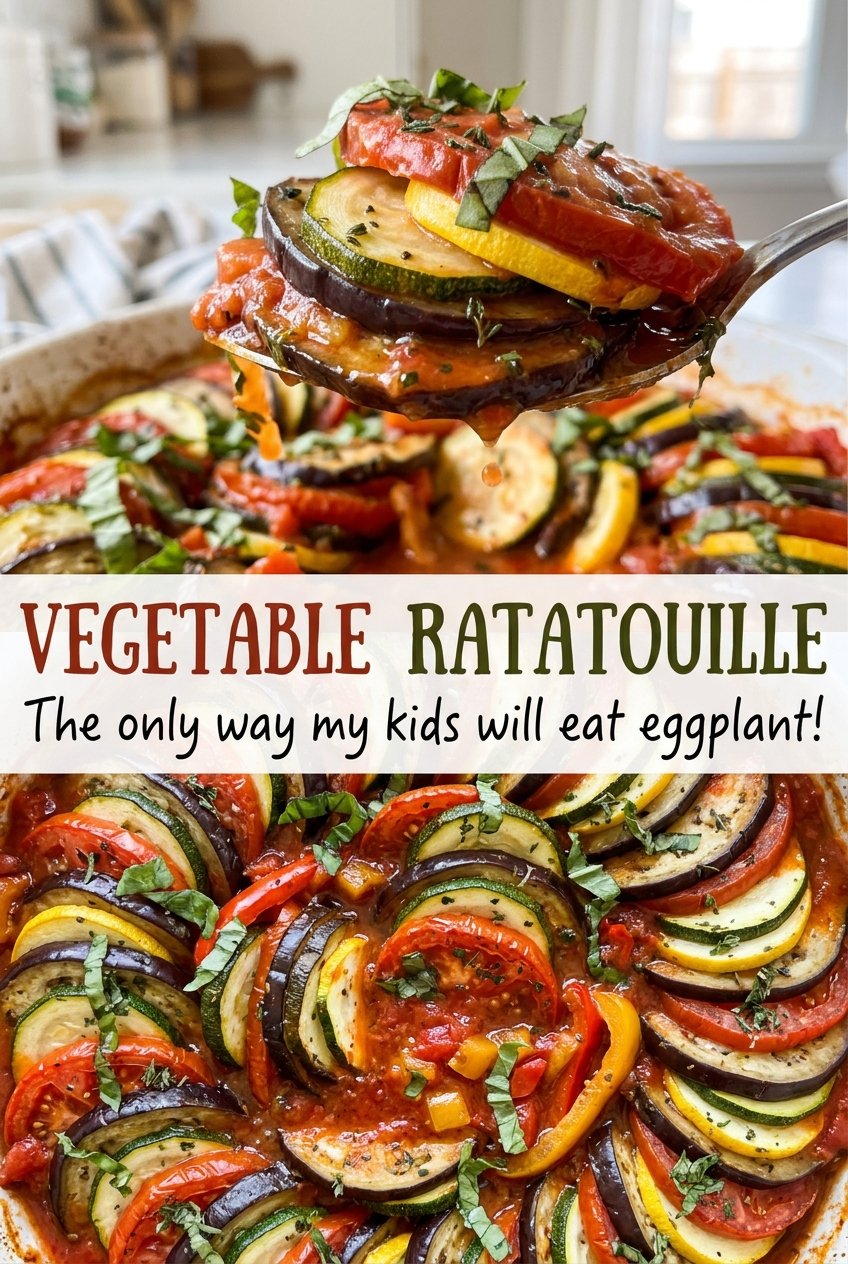
Kitchen Note
Set a bowl beside the stove before you start cooking. You’ll need a place to hold each batch while the next one browns, and having it ready keeps the vegetables moving without a scramble.
Save this vegetable ratatouille for a pot of tender vegetables that keep their shape, with fresh basil stirred in at the finish.
Why Ratatouille Gets Watery When Every Vegetable Goes In at Once
Eggplant, zucchini, and yellow squash all release moisture as they cook. If they’re piled together in the pot from the beginning, they steam against one another before their surfaces have a chance to brown. The result can still taste good, but the vegetables lose their separate textures and the liquid at the bottom stays thin.
Cooking them in batches gives each piece more contact with the hot pot. The eggplant cooks first and waits in a bowl; the squash and zucchini get the same treatment, coming out while they’re lightly browned but still firm. Meanwhile, the onion and bell pepper soften in the remaining oil, and the tomatoes simmer uncovered before the vegetables return. That order gives excess liquid a chance to cook away before the more delicate pieces finish in the sauce.
There’s no need to chase deep, dark color on every side. A little browning and a softened center are enough for the eggplant, while the squash should still resist a little when it leaves the pot. The last simmer brings everything together without asking the zucchini to endure the full cooking time.
What the Eggplant, Squash, and Tomatoes Each Bring to the Pot
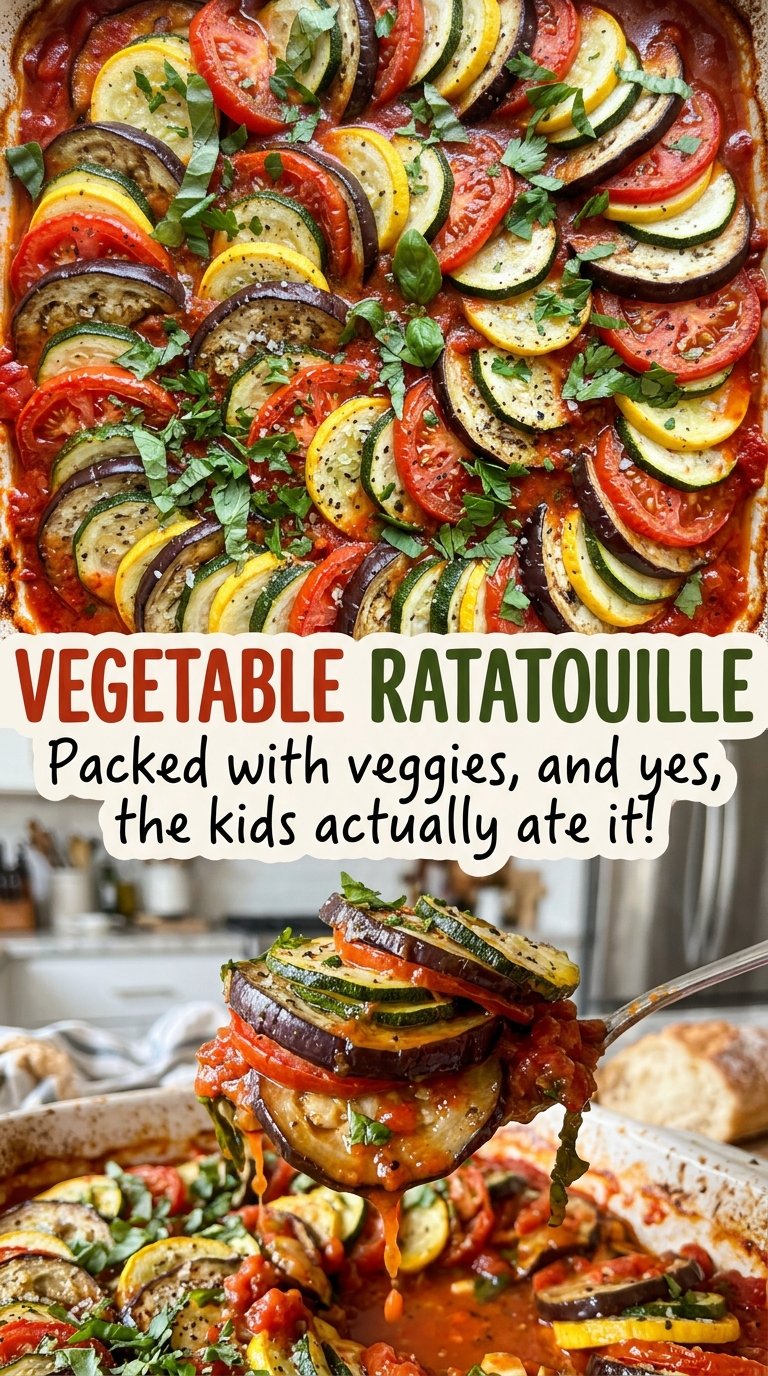
- Eggplant — It gives the pot its soft, almost creamy bites, but it needs room to brown rather than sit in its own moisture. Choose a firm eggplant with smooth, taut skin; there’s no need to peel it for this preparation. The 1-inch cubes are large enough to remain recognizable through the final simmer.
- Zucchini and yellow squash — These bring a lighter, firmer contrast to the eggplant. Look for squash that feels firm and has unblemished skin; very large squash tends to have a softer, seedier center. Cutting both into half-moons of the same thickness helps them cook at a similar pace.
- Diced tomatoes — The can’s juices are part of the cooking liquid, so add them along with the tomatoes. Diced tomatoes keep small pieces visible in the base; crushed tomatoes would make a smoother, thicker sauce and change the finished texture. A can is a dependable choice here because it supplies both the tomato pieces and their juices.
- Olive oil — The divided oil gives each batch enough fat to brown in the pot, then helps soften the onion and bell pepper. Use an olive oil whose flavor you enjoy, but there’s no need to reach for an expensive finishing oil; its flavor sits behind the vegetables and herbs.
- Onion, bell pepper, and garlic — Onion and red bell pepper soften into the tomato base, while garlic adds a sharper savory note. Dice the onion and pepper evenly so they soften together. Mince the garlic before it goes into the pot, since it cooks for just 30 seconds before the tomatoes are added.
- Thyme, bay leaf, and basil — Dried thyme and the bay leaf season the simmering tomatoes with a steady herbal note. Fresh basil is more delicate, so it goes in after the bay leaf is removed, not at the beginning with the dried herbs.
The Batch-Browning Sequence That Keeps the Vegetables Intact
Brown the eggplant in two batches
Heat 1 tablespoon olive oil in a 5-quart Dutch oven over medium-high heat. Add half the eggplant and cook, stirring occasionally, for 6 to 8 minutes, until the cubes are browned and beginning to soften. Transfer them to a bowl, add another tablespoon of oil, and cook the remaining eggplant the same way. If the pot looks crowded, resist adding more; the batches need space to brown.
Give the squash and zucchini a shorter turn
Add 1 tablespoon olive oil and half the zucchini and yellow squash. Cook for 4 to 5 minutes, until lightly browned but still firm, then move them to the bowl. Repeat with another tablespoon of oil and the remaining zucchini and squash. They’ll finish cooking later, so don’t wait for them to become tender in this first pass.
Soften the aromatics and simmer the tomatoes
Add the remaining 2 tablespoons olive oil, onion, and red bell pepper to the pot. Stir occasionally for 6 to 8 minutes, until softened, then stir in the minced garlic for 30 seconds. Add the diced tomatoes with their juices, kosher salt, black pepper, dried thyme, and bay leaf. Bring the mixture to a simmer and cook uncovered for 8 to 10 minutes.
Finish gently and let the pot settle
Return the eggplant, zucchini, and squash to the pot and stir gently to combine. Simmer uncovered for 15 to 20 minutes, stirring gently once or twice, until the vegetables are tender but still hold their shape. Take the pot off the heat, remove the bay leaf, and stir in the chopped fresh basil. Let the ratatouille rest for 10 minutes before serving.
Small Changes That Shift the Character of Ratatouille
A softer, basil-free finish
Leave out the fresh basil if you want the tomatoes and dried thyme to lead. The pot will have a quieter, less fresh-tasting finish, but the vegetables and tomato base still make a complete ratatouille.
A lighter pot without eggplant
You can leave out the eggplant for a version centered on zucchini, yellow squash, and bell pepper. It won’t have the same silky, substantial bites, so think of this as a lighter vegetable stew rather than the full-textured original.
A naturally plant-based, gluten-free meal
The ingredients in this ratatouille are already plant-based and gluten-free, so the original version needs no dietary swap. Keeping the vegetables and herbs together preserves the balance of soft eggplant, firm squash, and tomato.
Storage and Reheating
- Refrigerator: Store in a covered container for 3 to 4 days. The vegetables soften a little more as they sit, and the tomato and herb flavors become more blended.
- Freezer: Ratatouille freezes well, though the zucchini and squash will be softer after thawing. Cool it, pack it airtight, and freeze for up to 3 months; thaw overnight in the refrigerator.
- Reheating: Warm it gently in a saucepan over low to medium-low heat, stirring carefully until steaming hot. Avoid a hard boil or vigorous stirring, which can break up the softened vegetables.
Questions I Get About Making Vegetable Ratatouille
Vegetable Ratatouille
Ingredients
Equipment
Method
- Heat 1 tablespoon olive oil in a 5-quart Dutch oven over medium-high heat. Add half the eggplant and cook, stirring occasionally, until browned and beginning to soften, 6 to 8 minutes; transfer to a bowl.
- Add 1 tablespoon olive oil to the pot and cook the remaining eggplant the same way, then transfer it to the bowl.
- Add 1 tablespoon oil and half the zucchini and squash; cook until lightly browned but still firm, 4 to 5 minutes, then transfer to the bowl.
- Add 1 tablespoon oil and the remaining zucchini and squash; cook until lightly browned but still firm, 4 to 5 minutes, then transfer to the bowl.
- Add the remaining 2 tablespoons oil, onion, and bell pepper and cook, stirring occasionally, until softened, 6 to 8 minutes.
- Stir in the garlic and cook for 30 seconds.
- Add the tomatoes and their juices, salt, pepper, thyme, and bay leaf; bring to a simmer and cook uncovered for 8 to 10 minutes.
- Return the eggplant, zucchini, and squash to the pot and stir gently to combine. Simmer uncovered, stirring gently once or twice, until the vegetables are tender but hold their shape, 15 to 20 minutes.
- Remove the bay leaf.
- Stir in the basil.
- Let the ratatouille rest for 10 minutes before serving.
