
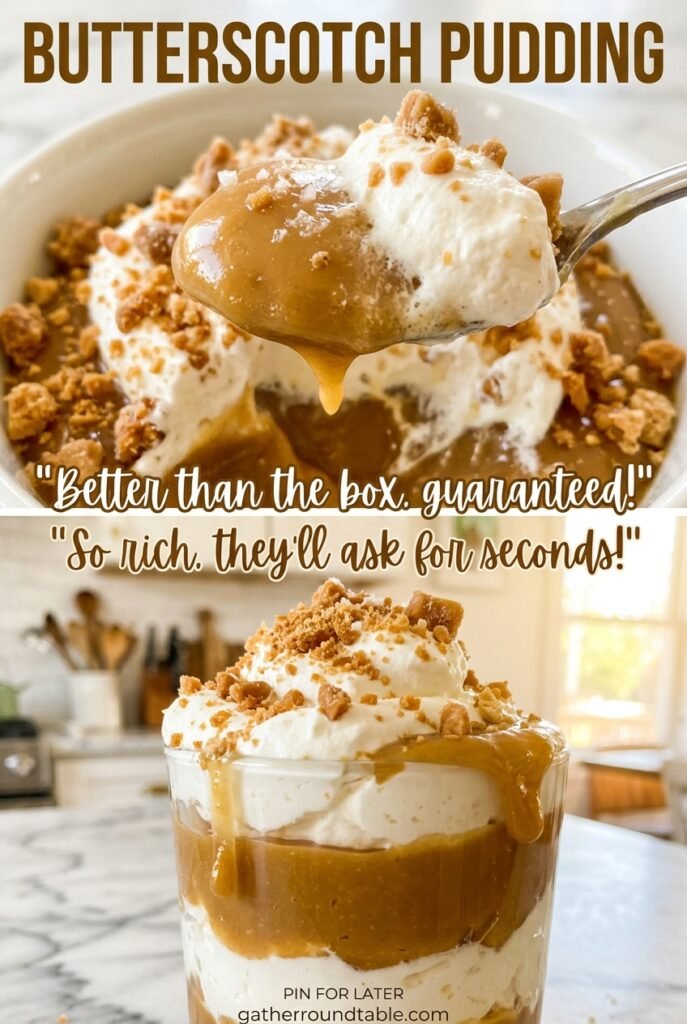
Butterscotch Pudding
When the butter and brown sugar start bubbling together, the kitchen smells like toffee before there’s anything to taste. Then the milk goes in, and the sugar can suddenly seize…
Tip: save now, read later.
When the butter and brown sugar start bubbling together, the kitchen smells like toffee before there’s anything to taste. Then the milk goes in, and the sugar can suddenly seize into firm, stubborn pieces. That moment looks like a mistake, but it’s part of making this butterscotch pudding; the mixture smooths out again with a little gentle heat.
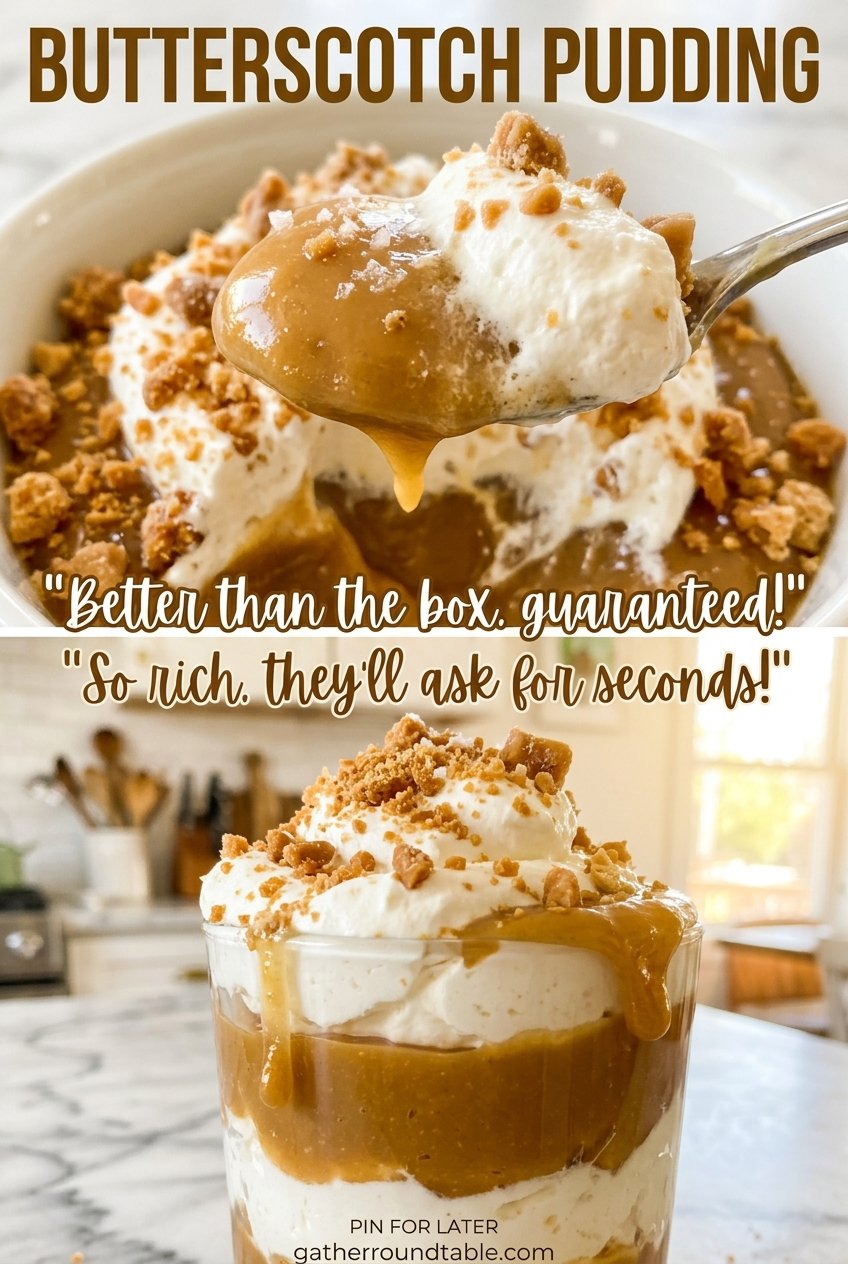
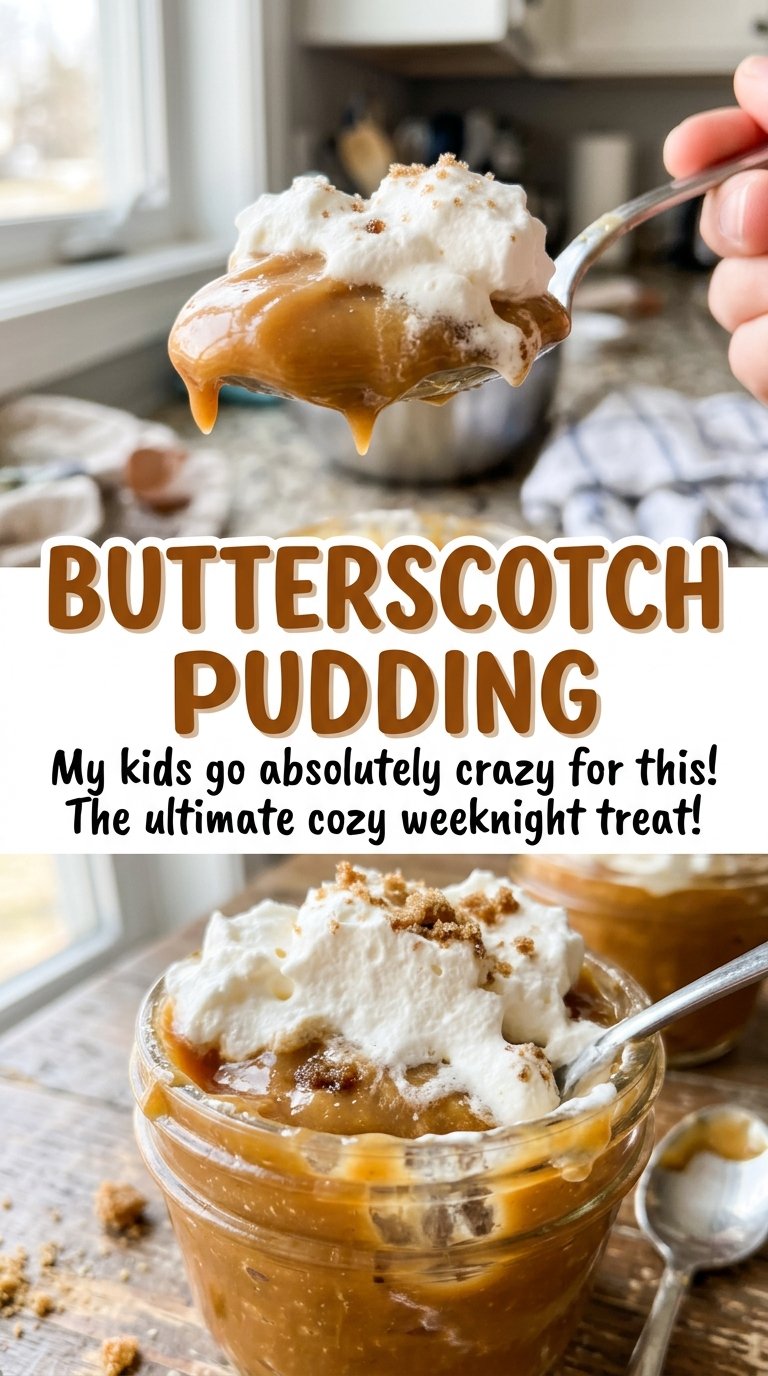
I like this method because it builds the flavor in the saucepan instead of relying on brown sugar stirred into an already-made custard. The cornstarch and egg yolks give the pudding body, while whole milk and cream keep it rich without making it heavy. Once it’s chilled, each spoonful is silky and tender, with a deep brown-sugar flavor that doesn’t need a garnish to make its point.
Kitchen Note
Press the plastic wrap right against the pudding while it’s still warm. Leaving a little air pocket at the top is how you end up with a skin before the ramekins are cold.
Save this butterscotch pudding for a make-ahead dessert with a silky set and real brown-sugar depth.
Why the Brown Sugar Can Clump When the Milk Goes In
That firm patch of sugar can look like a scorched or ruined base, but it’s usually just the hot sugar meeting cooler dairy. The temperature change makes the sugar set up temporarily. It doesn’t mean the pudding is lost, and there’s no need to scrape out the pan or start over.
Taking the saucepan off the burner before adding the milk and cream gives you more control. Whisk them in slowly, rather than pouring them in all at once. If the sugar still gathers into hard pieces, return the pan to low heat and keep stirring until the mixture looks smooth again. Low heat gives the sugar time to dissolve without pushing the dairy toward a boil.
This short pause matters because the brown-sugar base carries the butterscotch character through the whole dessert. A few remaining clumps don’t disappear just because the pudding thickens later; smooth out the base before adding the cornstarch mixture. Once it’s even, the custard thickens more predictably and each ramekin has the same soft, spoonable texture.
What Gives This Pudding Its Butterscotch Depth and Silky Set
- Light brown sugar and butter — The packed sugar brings a mellow molasses note, and butter gives that sweetness a round, toffee-like edge. Light brown sugar keeps the flavor balanced; dark brown sugar is a useful one-for-one swap when you want a deeper molasses taste. Ordinary grocery-store butter works well here, and unsalted butter lets the measured salt stay in control.
- Whole milk and heavy cream — Whole milk supplies most of the liquid while cream adds richness, so the finished pudding tastes full without relying on a heavy dose of cream. Lower-fat milk makes a less creamy result. For a dairy-free adaptation, the specific swaps are in the variations below.
- Cornstarch and egg yolks — Cornstarch thickens the pudding, while yolks contribute custardy richness and a smooth mouthfeel. Neither is a clean stand-in for the other. Whisking the cornstarch into milk before adding the yolks helps it disperse evenly instead of forming dry pockets.
- Vanilla extract — The vanilla rounds off the brown sugar rather than covering it up. A standard extract is plenty; this is a good place to use the bottle already in your pantry. Stirring it in after the pan comes off the heat keeps its aroma from getting lost in the cooking.
Building a Smooth Pudding From the First Whisk to the Chill
Bubble the Butter and Brown Sugar
Melt the butter in a 3-quart saucepan over medium heat, then stir in the packed brown sugar and kosher salt. Cook for 2 minutes, until the mixture is bubbling. Keep stirring so the sugar and butter combine evenly across the bottom of the pan. You’re looking for an active bubble, not a dark, smoking mixture.
Whisk in the Dairy Without Rushing
Take the pan off the heat before slowly whisking in 2 1/4 cups of the milk and all of the cream. The base may stiffen when the cooler dairy hits it, and that’s a normal change in texture. If it does, return the pan to low heat and stir until the pieces dissolve and the liquid is smooth. Keep the remaining 1/4 cup milk for the cornstarch mixture.
Thicken the Custard, Then Temper the Yolks
In a medium bowl, whisk the reserved milk with the cornstarch until smooth, then whisk in the egg yolks. Whisk this mixture into the saucepan and cook over medium heat, whisking constantly, for 5 to 8 minutes, until thick and bubbling. Slowly whisk about 1 cup of hot pudding into the egg-yolk mixture, then whisk it back into the saucepan. Cook for 1 minute, whisking constantly, until bubbles break across the surface; constant whisking keeps the bottom from catching and the yolks from forming bits.
Finish and Chill in Ramekins
Remove the pan from the heat and stir in the vanilla extract. Divide the pudding among six 4- to 6-ounce ramekins, then press plastic wrap directly onto each surface. Refrigerate for at least 3 hours, until thoroughly chilled. The pudding should be cold and set before you serve it, rather than warm and loose.
Two Easy Ways to Adapt This Butterscotch Pudding
Use Dark Brown Sugar for a Bolder Molasses Note
Swap dark brown sugar for the light brown sugar in the same amount. The pudding will taste more molasses-forward and a little less delicate, while keeping the same basic method and spoonable texture.
Make a Dairy-Free Batch
Replace the butter with plant-based butter, use unsweetened oat milk in place of the whole milk, and use full-fat coconut milk instead of the heavy cream. Keep the egg yolks; this makes the pudding dairy-free, not egg-free. Expect a hint of coconut and a slightly different richness from the original.
Storage and Reheating
- Refrigerator: Keep the pudding chilled and use it within 3 days. Its texture stays best during that window.
- Freezer: Freezing isn’t recommended; thawed cornstarch pudding can turn watery or grainy.
- Reheating: Serve it cold rather than reheating. Warmth loosens the set, so don’t microwave the ramekins to take the chill off.
Questions That Come Up With Homemade Butterscotch Pudding
Butterscotch Pudding
Ingredients
Equipment
Method
- Melt the butter in a 3-quart saucepan over medium heat.
- Stir in the brown sugar and salt and cook for 2 minutes, until bubbling.
- Remove the pan from the heat and slowly whisk in 2 1/4 cups of the milk and the cream.
- If the sugar firms up, return the pan to low heat and stir until smooth.
- In a medium bowl, whisk the remaining 1/4 cup milk with the cornstarch until smooth.
- Whisk in the egg yolks.
- Whisk the cornstarch mixture into the saucepan and cook over medium heat, whisking constantly, for 5 to 8 minutes, until thick and bubbling.
- Slowly whisk about 1 cup of the hot pudding into the egg-yolk mixture.
- Whisk that mixture back into the saucepan and cook for 1 minute, whisking constantly, until bubbles break across the surface.
- Remove from the heat and stir in the vanilla.
- Divide the pudding among six 4- to 6-ounce ramekins.
- Press plastic wrap directly onto each pudding’s surface.
- Refrigerate for at least 3 hours, until thoroughly chilled.
