

Poke Bowl with Ahi Tuna
Warm rice, cool cucumber, and the clean, savory taste of ahi make this bowl feel satisfying without getting heavy. I like how the toppings stay distinct instead of disappearing into…
Tip: save now, read later.
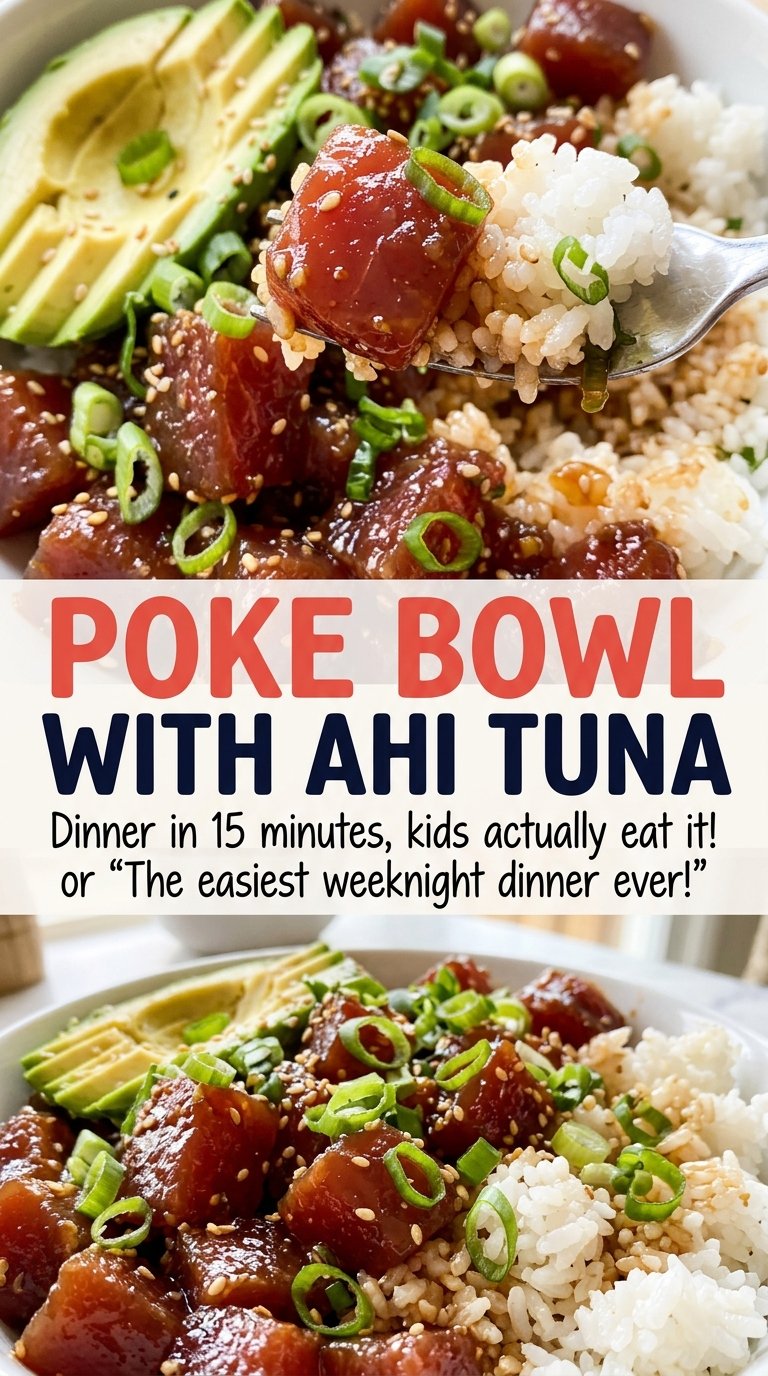
Warm rice, cool cucumber, and the clean, savory taste of ahi make this bowl feel satisfying without getting heavy. I like how the toppings stay distinct instead of disappearing into the rice: creamy avocado, crisp cucumber, and tender edamame all bring a different bite. The ginger-sesame tuna ties everything together, while thin strips of nori add a salty, seaweed finish.
For this poke bowl, I keep the seasoning on the rice gentle and let the tuna bring the deeper soy and sesame notes. Short-grain rice gives each bowl a soft, lightly clingy base, and the toppings go on in separate sections so you can get a little of everything in each bite. It’s a good one to serve as soon as the bowls are assembled, while the rice is still warm and the tuna is cold.

Kitchen Note
Buy ahi from a reputable fishmonger who specifically says it’s intended for raw preparations. “Sushi-grade” isn’t a regulated safety term, so I don’t rely on that wording by itself.
Save this ahi tuna poke bowl for its warm vinegar-seasoned rice, cool toppings, and ginger-sesame tuna.
Rinsing Short-Grain Rice Is What Keeps the Bowl From Feeling Heavy
Short-grain rice is meant to cling a little; that’s what makes it easy to pick up with a fork or chopsticks. But when too much loose starch stays on the outside of the grains, the cooked rice can turn dense and sticky enough to overwhelm the toppings. Rinsing under cold water until it runs mostly clear removes that excess without stripping away the rice’s natural tenderness.
Drain the rice well after rinsing, too. Water clinging to the grains changes the amount of moisture in the pot, and that can leave the finished rice softer than you want. The goal is rice that holds together but still feels distinct when you fold in the vinegar mixture. That little bit of attention gives the tuna and fresh toppings room to shine instead of making every bite taste like a heavy mound of rice.
Why the Rice, Tuna, and Toppings Need Different Handling
- Short-grain white rice — Its tender, clingy texture makes a sturdy base for the toppings. Long-grain rice cooks up looser and won’t give the bowl the same soft, cohesive feel, so short-grain is worth seeking out.
- Rice vinegar, sugar, and kosher salt — Together, these season the rice with a gentle sweet-tart balance. Plain rice vinegar lets you control that balance with the sugar and salt; seasoned rice vinegar already contains seasonings, so it won’t behave the same way in this combination.
- Ahi tuna — The mild flavor and firm texture work well with the soy, toasted sesame oil, and ginger without needing to be cooked. Keep it cold, cut it into even 1/2-inch cubes, and buy fish specifically intended for raw preparations from a reputable fishmonger.
- Soy sauce, toasted sesame oil, and fresh ginger — Soy sauce supplies the salty, savory base, toasted sesame oil gives it a nutty aroma, and finely grated ginger spreads through the marinade instead of leaving large, sharp pieces. For a gluten-free bowl, replace the soy sauce with gluten-free tamari; the taste will be a little rounder.
- Avocado, cucumber, edamame, and nori — These bring the contrast that makes each bowl interesting: creamy, crisp, tender, and briny. Use thawed edamame so it’s ready to eat, and slice the nori thinly so it’s easy to pick up with the other toppings.
Build the Bowl Around Warm Rice and Cold, Gently Tossed Tuna
Cook the Rice Until the Grains Are Tender
Rinse the rice in a fine-mesh strainer under cold running water until the water runs mostly clear, then drain it well. Put the rice and water in a 2-quart saucepan and bring them to a boil over medium-high heat. Cover, lower the heat, and simmer for 15 minutes; keep the lid on so the steam stays in the pan. Take the saucepan off the heat and let the rice stand, covered, for 10 minutes.
Fold the Seasoning Into the Warm Rice
While the rice rests, stir the rice vinegar, sugar, and salt in a small bowl until the sugar and salt dissolve. Add that mixture to the warm rice and fold it in gently. Use a lifting and turning motion rather than pressing down, which can mash the grains together. The rice should look lightly glossy, not wet with a pool of seasoning at the bottom.
Toss the Tuna Just Before You Assemble
Whisk the soy sauce, toasted sesame oil, and grated ginger in a medium bowl until the oil is distributed through the sauce. Add the cubed tuna, sliced scallions, and sesame seeds, then toss gently until coated; rough stirring can break up the cubes. Refrigerate the tuna while you prepare the bowls, for no more than 10 minutes. Keep it cold until serving.
Arrange the Toppings So Every Bite Stays Distinct
Divide the seasoned rice among four bowls. Arrange the sliced avocado, cucumber, and thawed edamame over the rice rather than mixing them through it. Spoon the tuna and its marinade into the bowls, then finish with the thin nori strips. Serve immediately so the rice and toppings keep their contrasting textures.
Three Simple Ways to Adapt This Ahi Tuna Poke Bowl
Make It Gluten-Free With Tamari
Use gluten-free tamari in place of the soy sauce in the tuna marinade. It keeps the bowl’s savory, salty note, with a slightly rounder taste; leave the other marinade ingredients unchanged.
Make a Lower-Carb Bowl Without the Rice
Leave out the rice and divide the ahi, avocado, cucumber, edamame, and nori among the bowls instead. The result is lighter and more focused on the tuna and crisp toppings, though you’ll miss the soft, gently sweet-tart rice base.
Skip the Nori for a Cleaner Finish
Leave off the nori if you prefer a milder, less briny bowl. The tuna’s ginger and sesame come through more clearly, while the cucumber and avocado still give you plenty of contrast.
Storage and Reheating
- Refrigerator: This bowl is best assembled and served immediately. Keep any remaining tuna and toppings refrigerated separately rather than saving assembled bowls; the avocado darkens and the fresh toppings lose their crisp texture.
- Freezer: Don’t freeze assembled bowls. The cucumber and avocado turn soft when thawed, and the rice and marinated tuna won’t have their best texture.
- Reheating: Don’t reheat the assembled bowl, since the tuna is served raw and the fresh toppings would soften. Assemble a fresh bowl instead of warming leftovers with the tuna still on top.
Questions That Come Up When Making Ahi Tuna Poke Bowls
Poke Bowl with Ahi Tuna
Ingredients
Method
- Rinse the rice in a fine-mesh strainer under cold running water until the water runs mostly clear, then drain well.
- Combine the rice and water in a 2-quart saucepan and bring to a boil over medium-high heat; cover, reduce the heat to low, and simmer for 15 minutes.
- Remove the saucepan from the heat and let the rice stand, covered, for 10 minutes.
- While the rice rests, stir the rice vinegar, sugar, and salt in a small bowl until the sugar and salt dissolve.
- Gently fold the mixture into the warm rice.
- Whisk the soy sauce, sesame oil, and ginger in a medium bowl.
- Add the tuna, scallions, and sesame seeds and gently toss to coat.
- Refrigerate while you prepare the bowls, for up to 10 minutes. Use tuna from a reputable fishmonger specifically intended for raw preparations; keep it refrigerated until serving. “Sushi-grade” is not a regulated safety term.
- Divide the rice among 4 bowls and arrange the avocado, cucumber, and edamame over the rice.
- Spoon the tuna and its marinade into the bowls, top with the nori, and serve immediately.
