
Lemon Zucchini Cake
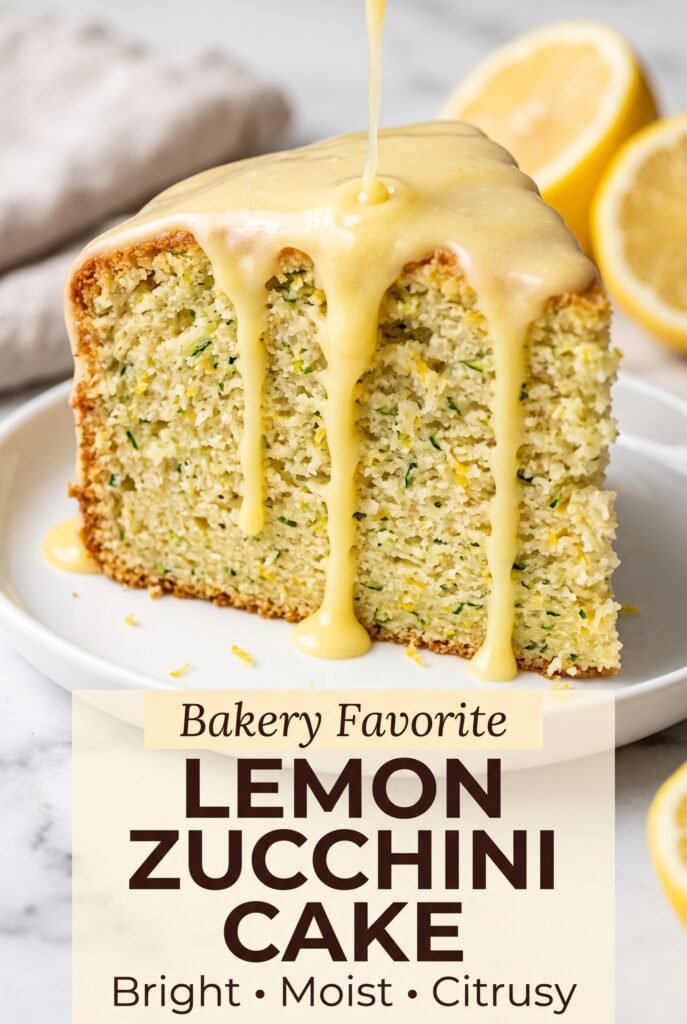
Lemon zucchini cake bakes up with a soft, almost plush crumb and a bright citrus finish that keeps every slice tasting fresh instead of heavy. The zucchini disappears into the…
Tip: save now, read later.
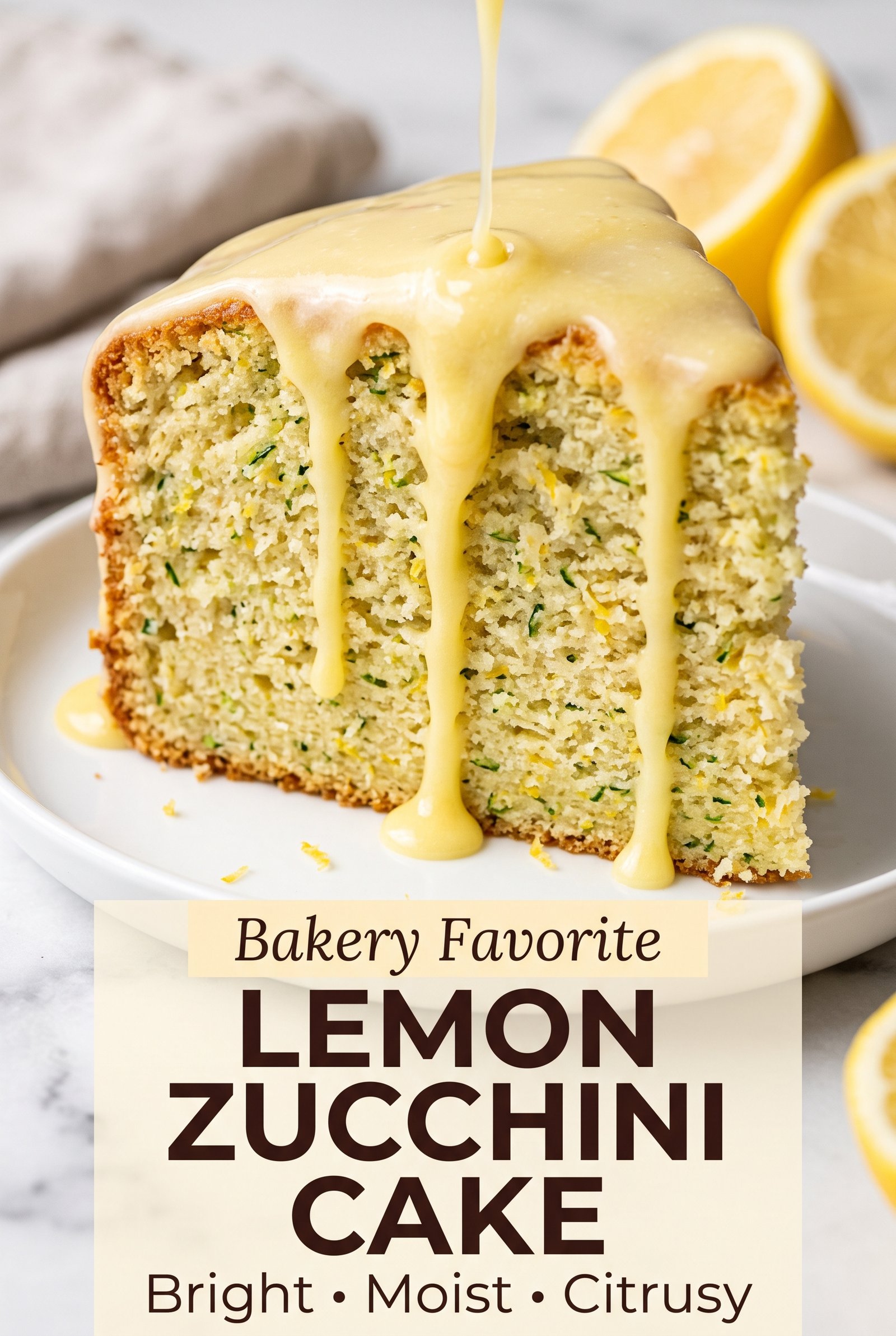
Lemon zucchini cake bakes up with a soft, almost plush crumb and a bright citrus finish that keeps every slice tasting fresh instead of heavy. The zucchini disappears into the batter, but it leaves behind the kind of moisture that makes the cake stay tender for days. The lemon glaze on top sharpens everything and gives each bite that sweet-tart finish that keeps people going back for another piece.
What makes this version work is the balance. Brown sugar adds a little depth, sour cream keeps the crumb fine and supple, and the zucchini is squeezed just enough to keep the batter from turning watery. The lemon zest goes into the dry ingredients so it has time to perfume the flour, and that small step gives the cake a stronger lemon flavor than juice alone ever could.
Below, you’ll find the exact points where this cake comes together cleanly, plus the one zucchini prep detail that keeps the texture right. I also included a few practical swaps, because this is the kind of cake that should still work when you need to use what you have.
The cake stayed incredibly moist for three days, and the lemon glaze set up just enough that it didn’t run off the slices. I also liked that the zucchini blended right in without making it taste like a vegetable cake.
Love the bright lemon glaze and tender crumb? Save this Lemon Zucchini Cake for the next time you want a moist cake that actually stays soft after day one.
style=”width:100%;height:auto;border-radius:6px;” />
The Zucchini Needs to Be Dry, Not Desert-Dry
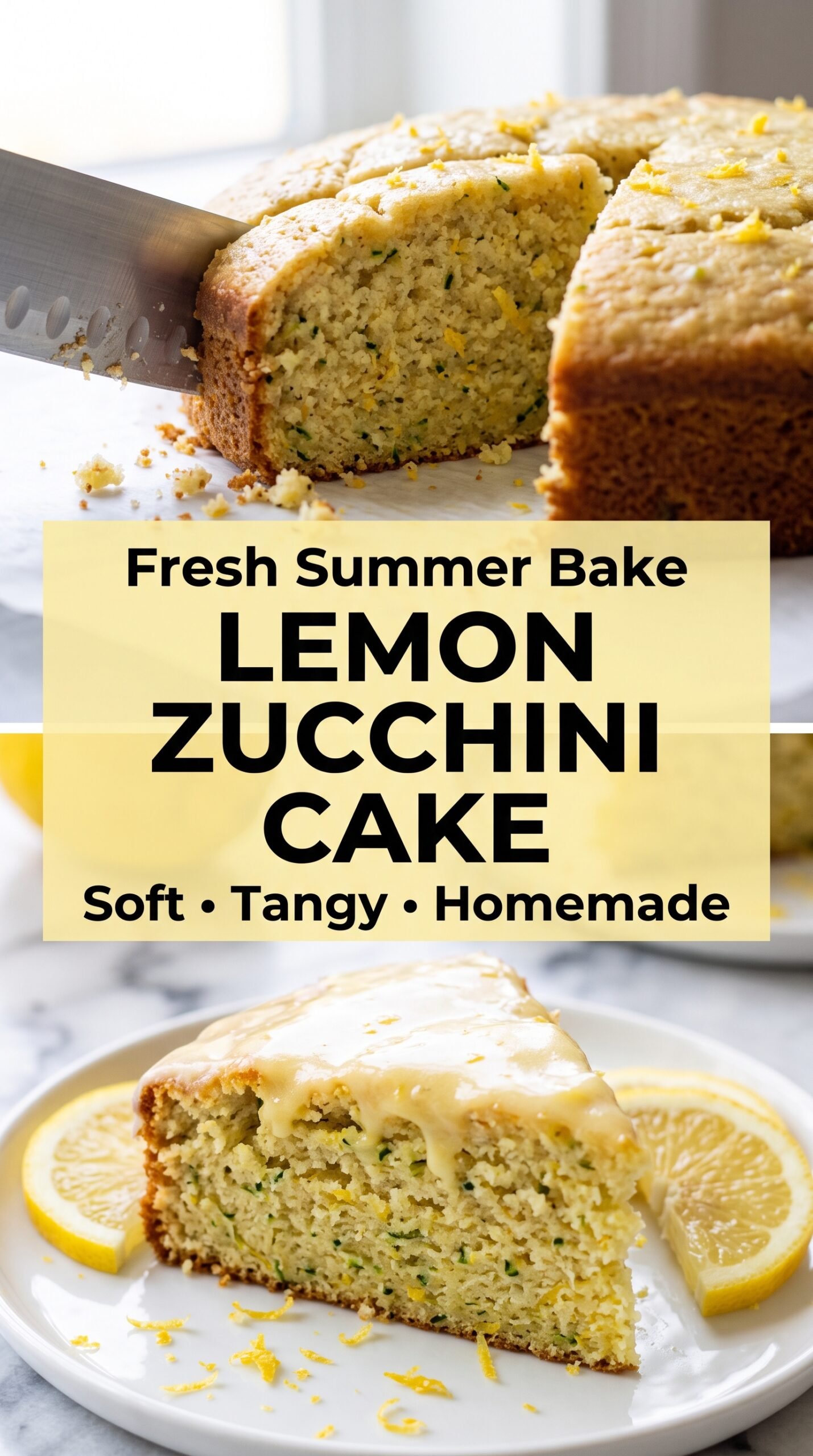
This cake rises on moisture, but not too much moisture. If the zucchini goes into the batter wet, it loosens the crumb and can leave the center dense and gummy, especially near the bottom of the pan. A gentle squeeze in a clean towel or layered paper towels is enough. You still want the zucchini to look soft and pale green, not pressed into a wrung-out clump.
The other trap is overmixing once the flour goes in. A zucchini cake has enough liquid and enough tenderizing ingredients already; beating it hard builds structure you don’t want. Fold just until the flour disappears, then stop. The batter should look thick and slightly textured, not silky smooth.
- Finely shredded zucchini — Shred it on the small holes of a box grater so it blends into the cake instead of leaving stringy strands. If you use a food processor, pulse carefully and stop before it turns watery. Squeezing out the excess moisture is the difference between a soft cake and a soggy one.
- Sour cream — This brings tang and richness, and it keeps the crumb tender without making the cake greasy. Plain Greek yogurt works in the same amount if that’s what you have, though the cake may be a touch tighter.
- Brown sugar — The little bit of molasses depth rounds out the lemon so the cake tastes full instead of sharp. Light brown sugar is ideal here. Dark brown sugar works too, but it will pull the flavor a little deeper and darker.
- Lemon zest and juice — Zest carries the real lemon perfume, while the juice sharpens the batter and glaze. Fresh lemons matter here. Bottled juice tastes flat and can make the glaze taste one-note.
- Vegetable oil — Oil keeps the cake soft even after chilling, which is exactly what you want in a zucchini cake. Melted butter can work, but the crumb will set a little firmer and lose some of that lasting softness.
- Walnuts — These are optional, but they add a good crunchy contrast to the soft crumb. Toast them first if you want a deeper nutty flavor. Skip them entirely for a smoother, more classic lemon cake.
Building the Batter Without Breaking the Crumb
Mix the dry ingredients first
Whisk the flour, baking powder, baking soda, salt, and lemon zest together before anything else goes in. That disperses the leaveners evenly and rubs the zest into the flour, which helps the lemon flavor spread through the whole cake. If the zest clumps, you end up with little pockets of flavor instead of an even citrus note.
Whip the sugars with the eggs
Beat the eggs with both sugars until the mixture looks smooth and a little lighter in color. You don’t need a full ribbon stage here, but you do want the sugar mostly dissolved so the cake bakes up fine and even. Once the oil, sour cream, lemon juice, and vanilla go in, the mixture may look loose and glossy. That’s correct.
Fold, don’t beat
Add the dry ingredients and stir only until the flour disappears. A few streaks are better than a overworked batter. Once the zucchini goes in, fold gently again so the shreds are evenly distributed without collapsing the air you just built. If the batter looks wet and loose after that, resist the urge to keep mixing; zucchini cake batter should be thick but scoopable.
Bake until the center gives just a little
Spread the batter into the pan and smooth the top so it bakes evenly. The cake is done when the top is lightly golden, the edges pull away slightly, and a toothpick comes out clean or with a few moist crumbs. If the center still looks shiny, give it a few more minutes. Cutting too early leaves you with a gummy middle that won’t set properly as it cools.
How to Adapt This for Different Pans and Pantry Swaps
Gluten-Free Version
Use a good 1:1 gluten-free baking blend that already includes xanthan gum. The cake will be a little more delicate, but the zucchini and sour cream help keep it from turning sandy. Let it cool completely before slicing so it sets cleanly.
Dairy-Free Swap
Replace the sour cream with a thick unsweetened dairy-free yogurt. The cake still stays tender, though the tang will be slightly softer. Check the label for plain, unflavored yogurt so the lemon stays in charge.
Nut-Free Cake
Leave out the walnuts and keep everything else the same. You lose the crunch, but the cake becomes a little cleaner and softer in texture, which is nice if you’re serving it to a crowd with mixed tastes.
Different Pan Sizes
An 8-inch square pan gives you a slightly thicker cake and may need a few extra minutes in the oven. A 9-inch round pan bakes a little faster and slices into neat wedges. Watch the center, not the clock, because pan depth changes the bake more than shape does.
Storage and Reheating
- Refrigerator: Store covered for up to 4 days. The crumb stays moist, and the lemon flavor gets a little brighter by day two.
- Freezer: This cake freezes well. Wrap individual slices tightly, then store them in a freezer bag for up to 2 months. Freeze before glazing if you want the cleanest finish.
- Reheating: Thaw at room temperature, then warm slices for 10 to 15 seconds in the microwave if you want them soft again. Don’t overheat or the glaze will melt and the crumb can dry at the edges.
Questions I Get Asked About This Recipe
Lemon Zucchini Cake
Ingredients
Equipment
Method
- Preheat the oven to 350°F and grease and lightly flour a 9-inch round cake pan or an 8-inch square baking pan, then set aside.
- Whisk together the all-purpose flour, baking powder, baking soda, salt, and lemon zest in a medium bowl until evenly combined.
- Beat the eggs, granulated sugar, and light brown sugar until smooth, then mix in the vegetable oil, sour cream, fresh lemon juice, and vanilla extract.
- Fold the dry ingredients into the wet mixture until just combined, stopping as soon as no dry streaks remain to avoid tough texture.
- Fold in the finely shredded zucchini and chopped walnuts (if using) until evenly distributed so the crumb stays moist throughout.
- Pour the batter into the prepared pan and smooth the top with a spatula so it bakes evenly.
- Bake at 350°F for 40–50 minutes, until a toothpick inserted into the center comes out clean and the top is lightly golden.
- Cool the cake in the pan for 15 minutes, then transfer it to a wire rack to cool completely.
- Whisk together the powdered sugar, fresh lemon juice, and lemon zest until smooth to make the glaze.
- Drizzle the glaze over the cooled cake and let it set for 10 minutes before slicing and serving.
